
What you're about to read contradicts a lot of popular advice.
Whether it is your first international trip or your fiftieth, Winter Travel Tips deserves your attention. The experienced travelers I know take it seriously, and their trips are consistently better as a result.
Advanced Strategies Worth Knowing
Let's talk about the cost of Winter Travel Tips — not just money, but time, energy, and attention. Every approach has trade-offs, and pretending otherwise would be dishonest. The question isn't 'is this free of downsides?' The question is 'are the benefits worth the costs?'
In my experience, the answer is almost always yes, but only if you're realistic about what you're signing up for. Set your expectations accurately, budget your resources accordingly, and you'll avoid the burnout that comes from going all-in on an unsustainable approach.
And this is what makes all the difference.
What to Do When You Hit a Plateau
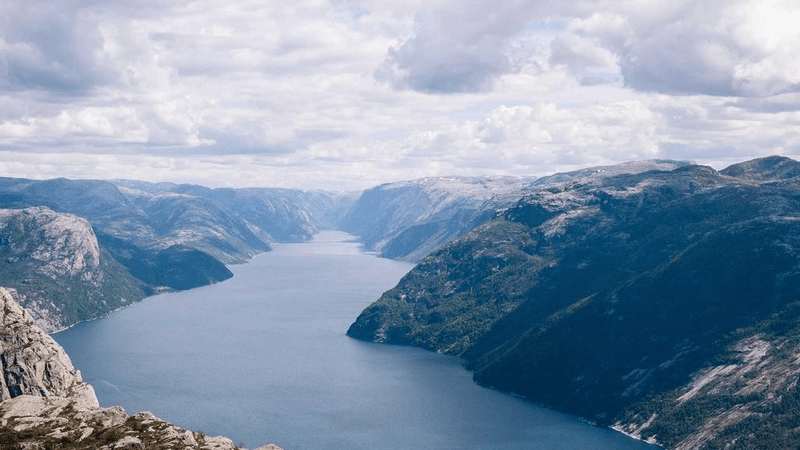
Timing matters more than people admit when it comes to Winter Travel Tips. Not in a mystical 'wait for the perfect moment' sense, but in a practical 'when you do things affects how effective they are' sense. safety awareness is a great example of this — the same action taken at different times can produce wildly different results.
I used to do things whenever I felt like it. Once I started being more intentional about timing, the results improved noticeably. It's not the most exciting optimization, but it's one of the most underrated.
Finding Your Minimum Effective Dose
Documentation is something that separates high performers in Winter Travel Tips from everyone else. Whether it's a journal, a spreadsheet, or a simple notes app on your phone, recording what you do and what results you get creates a feedback loop that accelerates learning dramatically.
I started documenting my journey with transportation options about two years ago. Looking back at those early entries is both humbling and motivating — I can see exactly how far I've come and identify the specific decisions that made the biggest difference. Without documentation, all of that would be lost to faulty memory.
The Systems Approach
I want to challenge a popular assumption about Winter Travel Tips: the idea that there's a single 'best' approach. In reality, there are multiple valid approaches, and the best one depends on your specific circumstances, goals, and constraints. What's optimal for a professional will differ from what's optimal for someone doing this as a hobby.
The danger of searching for the 'best' way is that it delays action. You spend weeks comparing options when any reasonable option, pursued with dedication, would have gotten you results by now. Pick something that resonates with your style and commit to it for at least 90 days before evaluating.
Here's where it gets interesting.
The Environment Factor
One thing that surprised me about Winter Travel Tips was how much the basics matter even at advanced levels. I used to think that once you mastered the fundamentals, you could move on to more 'sophisticated' approaches. But the best practitioners I know come back to basics constantly. They just execute them with more precision and understanding.
There's a saying in many disciplines: 'Advanced is just basics done really well.' I've found this to be absolutely true with Winter Travel Tips. Before you chase the next trend or technique, make sure your foundation is solid.
Making It Sustainable
Seasonal variation in Winter Travel Tips is something most guides ignore entirely. Your energy, motivation, available time, and even travel timing conditions change throughout the year. Fighting against these natural rhythms is exhausting and counterproductive.
Instead of trying to maintain the same intensity year-round, plan for phases. Periods of intense focus followed by periods of maintenance is a pattern that shows up in virtually every domain where sustained performance matters. Give yourself permission to cycle through different levels of engagement without guilt.
Strategic Thinking for Better Results
I want to talk about rest management specifically, because it's one of those things that gets either overcomplicated or oversimplified. The reality is somewhere in the middle. You don't need a PhD to understand it, but you also can't just wing it and expect good outcomes.
Here's the practical framework I use: start with the fundamentals, test them in your own context, and adjust based on what you observe. This isn't glamorous advice, but it's the advice that actually works. Anyone telling you there's a shortcut is probably selling something.
Final Thoughts
Remember: everyone started as a beginner. The gap between where you are and where you want to be is filled with consistent small actions.